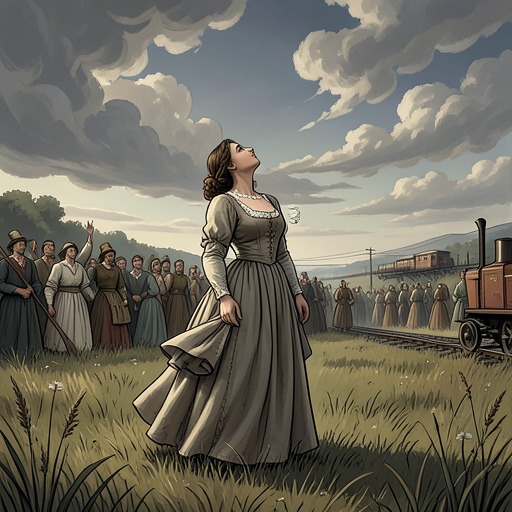
MPLA seizure and loss of Balombo
Another Day of LifeThe MPLA seizure and loss of Balombo is a brief reversal of control with lasting consequences for the visitors who witness it. An MPLA detachment of one hundred takes the forest town in the morning; after the narrator’s party drives away, an attack forces the soldiers to abandon it. Carlotta, the young soldier assigned to accompany the visitors, stays behind and dies. The town’s capture and loss are thus bound to the account of a departure that the survivors later understand as a decision for which they share responsibility.
A Town That Could Not Be Held
Balombo is described as a small town in the forest, repeatedly changing hands. Its surrounding cover allows an opposing force to approach very close before attacking, so neither side can establish a secure position for long. On the morning the visitors arrive, a hundred MPLA soldiers have taken the town. Shooting continues in the surrounding woods, and the opposing force has withdrawn only a short distance. The capture is therefore a temporary military success, not the end of the fighting.
The town has been devastated, and no civilians remain there; the only people present are the soldiers. The approach has already shown the visitors abandoned settlements and damaged plantations, while the road toward the front bears signs of earlier fighting. These details place the seizure within a landscape repeatedly emptied and fought over. At Balombo, control of the town does not mean safety: the threat of a counterattack remains close enough to shape how the soldiers and their escort behave.
The Detachment After the Capture
The soldiers’ brief interval in the town combines relief with the routines of an unsettled front. Water is available, and some of the women in the detachment have bathed and arranged their wet hair with curling papers. Carlotta admonishes them to remain ready to fight rather than behave as if preparing for an evening out. They answer that they had to advance in the first wave because the men were reluctant to do so; the men dispute their account. The exchange offers a glimpse of the women’s place in the fighting, while leaving the disagreement unresolved.
The soldiers are sixteen to eighteen years old. During the pause, some ride a captured tractor around the main street, passing the wheel from one group to another; others ride captured bicycles. Their brief recreation follows the capture but does not erase the town’s vulnerability. Carlotta, who does not share in the detachment’s euphoria, stays alert to the possibility of a counterattack or a sniper concealed nearby. She accompanies the visitors with her automatic ready, attentive and taciturn. The contrast between the young soldiers’ improvised celebration and her watchfulness makes the victory feel provisional even before the attack comes.
Carlotta Stays Behind
The narrator’s party has come to the front to film and take photographs. Carlotta is their escort, and the camera records her walking among Balombo’s burned houses and flowering plants. The images are intended to be shown in Portugal and Poland, countries she will not see. Her presence in the footage fixes her, for viewers elsewhere, in the brief interval after the MPLA capture, before the reversal that gives the scene its meaning.
As evening approaches, the party returns to its waiting cars. Carlotta has been travelling in the front seat; the visitors get in behind her, and the driver starts the car. At that moment she gets out and signals that she will remain in Balombo. Alberto Ribeiro urges her to come with them, offering supper and a trip to Lisbon the next day. Carlotta laughs, waves goodbye, and lets the car depart. The departure is not presented as a considered choice by the visitors to abandon her to danger: they leave believing they are going, while the party’s original arrangement had been for her to return with them. But no one makes her get back into the car, and that omission becomes central to what follows.
The Counterattack and Its Aftermath
The cars leave Balombo at speed and continue into the night. Later, in Benguela, the group finds the one restaurant still open and waits for food. A soldier arrives with news that an attack began soon after their departure, the MPLA detachment gave up the town, and Carlotta died. The news overturns the apparent ending of the visit: the captured town has been lost, and the escort who watched over the visitors has not come with them.
The survivors leave the table and walk separately through the deserted street, unable to talk together. They had not heard the shooting begin behind them, so their rapid departure had not been a flight from the attack. Still, the narrator asks whether they would have turned back if they had heard it, and whether they would have risked their lives for Carlotta as she had risked hers while protecting them in Balombo. The account does not settle what would have happened had they acted differently. It instead makes their failure to insist that she leave a source of shared culpability, especially for Alberto Ribeiro and the narrator, who had wanted to visit the front and received Carlotta as their escort.
The narration resists an easy explanation. It considers calling the death an accident or attributing Carlotta’s decision to fate, but identifies those accounts as ways the survivors might tell the story to avoid what they cannot know or undo. The decisive sequence remains plain: the MPLA took Balombo, the visitors left, the town was attacked and lost, and Carlotta died there. The gap between leaving her and learning the outcome becomes the event’s lasting burden. The military reversal lasts only hours; the survivors’ question about their responsibility has no such quick resolution.